
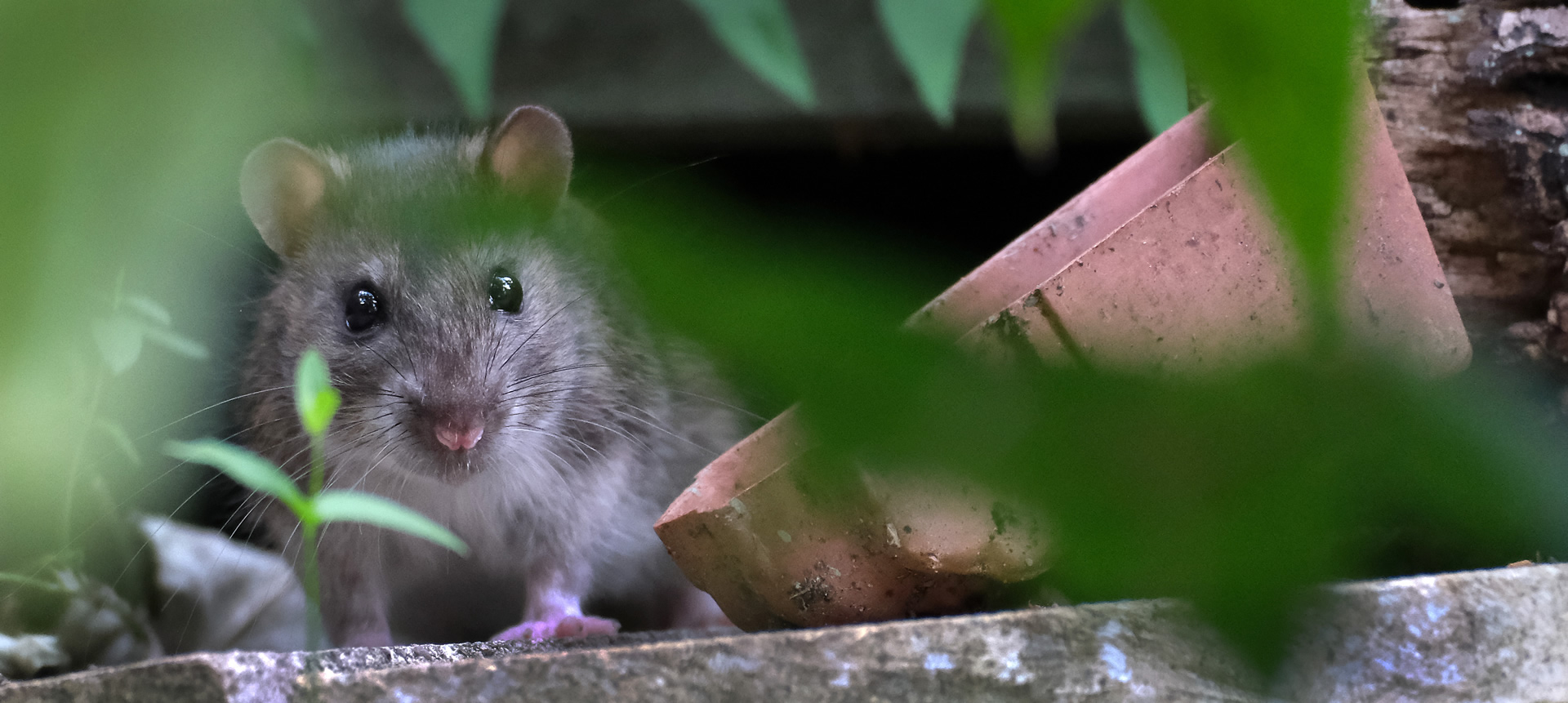
Why Rodent Proofing Matters
Mice and rats do not need an open door to get into your home. In many cases, they find tiny gaps around pipes, vents, roofs, doors, drains, foundations, or utility lines and use them as hidden access points. Once inside, they can nest in lofts, wall cavities, kitchens, garages, sheds, and under floorboards.
This practical guide from The Exterminator Pest Control explains the most common entry points mice and rats use to get inside homes, including gaps around doors, vents, pipes, foundations, roofs, and utility lines. You will also learn how to inspect these problem areas and seal them properly to help prevent rodent infestations before they start.
The Exterminator Pest Control provides professional pest control in Chelmsford, Brentwood, Braintree and the surrounding areas, including mice and rat treatments, with fast response, same-day service, emergency call-outs, discreet vans, and no call-out fee when treatment is purchased.
Effective Rodent Control is not only about removing mice or rats that are already present. It is also about stopping them from getting back in. If entry points are left open, rodents may return even after treatment.
Rodents are persistent, agile, and excellent at squeezing through small spaces. Mice can exploit very small openings, while rats are strong enough to widen weak gaps, gnaw soft materials, and follow pipework or drains into a property. That is why a detailed inspection is one of the most important steps in long-term pest prevention.

1. Gaps Around External Doors
External doors are one of the most common entry points for mice and rats. Gaps beneath doors, damaged weatherstripping, loose thresholds, and spaces around frames can all provide access to kitchens, utility rooms, garages, and commercial premises.
To inspect your doors, look for daylight under the frame, gnaw marks, droppings, greasy smear marks, or disturbed dust. Pay close attention to back doors, garage doors, side gates, and doors leading into bin storage areas.
To seal them, fit a strong brush strip or metal door sweep, repair damaged frames, and replace worn weather seals. For larger gaps, use rodent-resistant materials such as metal mesh, steel wool combined with exterior-grade filler, or metal kick plates where gnawing is likely.
2. Holes Around Pipes and Utility Lines
Pipes and utility cables often pass through external walls, leaving small gaps around them. These gaps are easy to overlook but are ideal entry points for rodents.
Check around water pipes, gas pipes, boiler flues, waste pipes, air-conditioning lines, broadband cables, and electrical service entries. These areas are especially important in older homes or properties where previous repair work has left rough openings.
Seal gaps using rodent-resistant mesh, mortar, exterior sealant, or expanding foam only when combined with a stronger material. Foam alone is usually not enough, as rats and mice may gnaw through it.
3. Air Bricks and Vents
Air bricks and vents are designed to keep airflow moving through a property; they should not be completely blocked. However, damaged air bricks, broken vent covers, and wide ventilation gaps can allow rodents inside.
Inspect all low-level vents around the outside of your home, especially near kitchens, cellars, extensions, and suspended floors. Look for broken grilles, missing covers, or gaps around the edges.
The safest solution is to fit fine metal mesh or purpose-made rodent-proof vent covers. This allows ventilation to continue while preventing mice and rats from entering.
4. Cracks in Foundations and Brickwork
Small cracks in brickwork, gaps in mortar, damaged render, and openings around extensions can all serve as entry points for rodents. Rats are particularly likely to investigate lower-level defects close to the ground.
Walk around the outside of your property and inspect the base of the walls. Look behind bins, garden storage, decking, vegetation, and outdoor furniture, as these areas often hide entry points.
Seal small cracks with exterior-grade mortar or masonry filler. Larger structural gaps should be repaired properly, especially if they are near drains, damp areas, or signs of burrowing.
5. Roofline Gaps, Fascias, Soffits, and Loft Access
Rodents do not only enter at ground level. Mice and rats can climb walls, drainpipes, trees, fences, and nearby structures to access roofline gaps.
Common roof-level entry points include broken soffits, gaps under roof tiles, damaged fascia boards, open eaves, and spaces around loft vents. Once inside, rodents may nest in insulation, chew wires, and move through wall cavities.
Inspect your roofline from ground level, where safe to do so, for missing tiles, loose boards, or visible holes. Trim back climbing plants and tree branches that touch the property. Seal gaps with durable building materials and use professional help for high-level proofing work.
6. Drains, Sewers, and Broken Pipework
Rats are strongly associated with drains and sewers. If a property has damaged drainage, redundant pipework, or defective inspection chambers, rats may be able to move from the drainage system into the home.
Warning signs can include repeated rat activity, scratching near ground-floor bathrooms, smells from drains, or activity that returns after basic treatment. The Exterminator Pest Control states that they can help with rats in drains and CCTV surveys for rodent and drain investigations, which can be useful where the source of the problem is hidden underground.
Drain entry points may require professional inspection, non-return valves, drain repairs, or sealing of redundant pipework.
7. Garages, Sheds, and Outbuildings
Garages and sheds often contain food sources, nesting materials, pet food, bird seed, cardboard, tools, and clutter. They may also have larger gaps than the main house.
Inspect garage door edges, timber panels, roof joints, floor-wall junctions, and gaps around cables. Keep stored items off the floor where possible and place pet food, bird seed, and animal feed in sealed containers.
Sealing outbuildings can reduce the chance of rodents moving closer to the main property.
8. Gaps Around Extensions and Conservatories
Extensions, conservatories, and older building alterations sometimes leave small gaps where new and old structures meet. Rodents often use these weak points because they are sheltered and less visible.
Check around the base of conservatories, under steps, behind external pipework, and along wall joins. Seal cracks with suitable mortar, mesh, or exterior-grade materials that rodents cannot easily chew through.
Signs You May Already Have a Rodent Problem
You may need professional Rodent Control if you notice scratching noises, droppings, chewed packaging, gnaw marks, unpleasant smells, nesting material, grease marks, or sightings of mice or rats. Activity in lofts, kitchens, garages, wall cavities, or near bins should be investigated quickly.
The Exterminator Pest Control treats a wide range of pests, including mice and rats, and offers domestic and commercial pest control services in Chelmsford, Brentwood, Braintree and surrounding areas.

When to Call The Exterminator Pest Control
DIY sealing can help, but it is important to avoid trapping rodents inside your home. A professional pest control technician can identify active entry points, treat the infestation, advise on proofing, and help reduce the risk of future problems.
The Exterminator Pest Control is a family-run pest control company based in Chelmsford, Brentwood, and Braintree, serving the city and surrounding areas across Essex. Their website highlights BPCA-member technicians, fast response, same-day service, emergency call-outs, and professional prevention advice.
They also specialise in wasp nest treatment, wasp nest removal, wasp extermination, and wasp nest extermination, and have over 225 positive Checkatrade customer reviews.
Professional Rodent Control in Chelmsford, Brentwood & Braintree
If you have heard scratching in the loft, found droppings in the kitchen, or discovered gaps around your property, do not ignore the signs. Rodents can spread quickly, and the sooner the problem is dealt with, the easier it is to control.
For reliable Rodent Control and professional pest control in Chelmsford, Brentwood, Braintree and the surrounding areas, contact The Exterminator Pest Control today.
Call: 01245 358616